
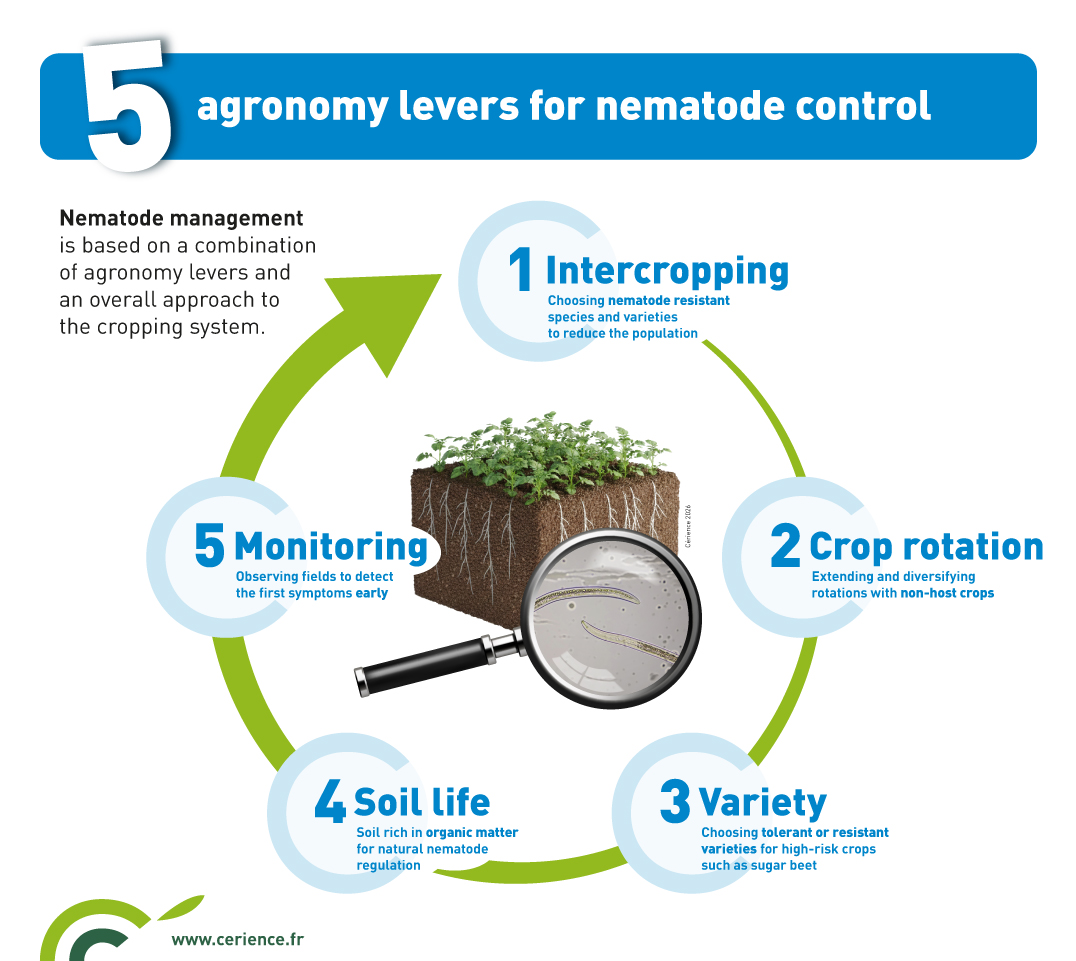
5 agronomy levers for Nematode control
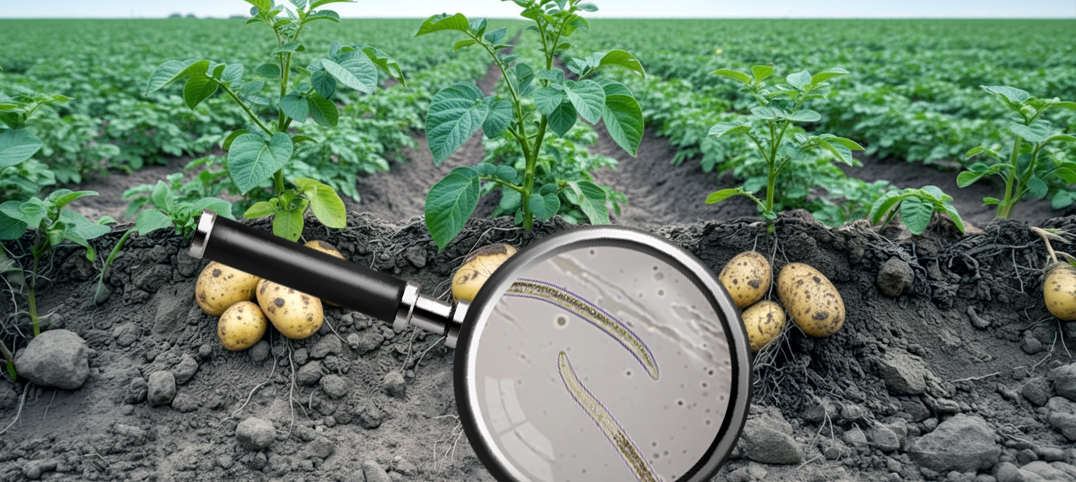
Nematodes are soil bio-aggressors invisible to the naked eye, capable of having a lasting impact on yields. Long associated with certain crops such as beet and potatoes, they now affect a growing number of production systems, from market gardening to field crops, notably with the development of root-lesion nematodes.
Faced with these complex and persistent organisms, there is no miracle solution. Their control requires a global approach, adapted to the cropping system, combining several agronomy levers to act both on populations and on the soil's biological balance.
Here is a presentation of 5 complementary levers for better nematode management.
1. Choosing nematode-resistant varieties for catch crops
Cover crops are one of the key levers for reducing the nematode population in a Plot. Forage radish and White mustard are two species widely used for their nematode-resistant properties. However, care must be taken when choosing varieties, as they are not all equally effective, and may even have the opposite effect by multiplying the nematode population, as in the case of certain white mustards.
Among adapted varieties, we distinguish 2 types of action:
- Nematode resistant varieties which prevent multiplication and slowly reduce the population. For example, Terranova forage radish for cyst and root-knot nematodes.
- Nematicidal varieties that prevent multiplication and actively reduce the population in the soil. For example, Ayacara forage radish is categorized BCA1, the highest level of efficacy.
Conversely, unsuitable cover crops can encourage multiplication, as in the case of certain legumes such as peas and Alfalfa, which are hosts to the lesion nematode Pratylenchus. The choice of species and varieties must therefore be based on the type of nematode present.
Beware also of weeds such as lamb's-quarters, pigweed and nightshade, which encourage nematode multiplication.
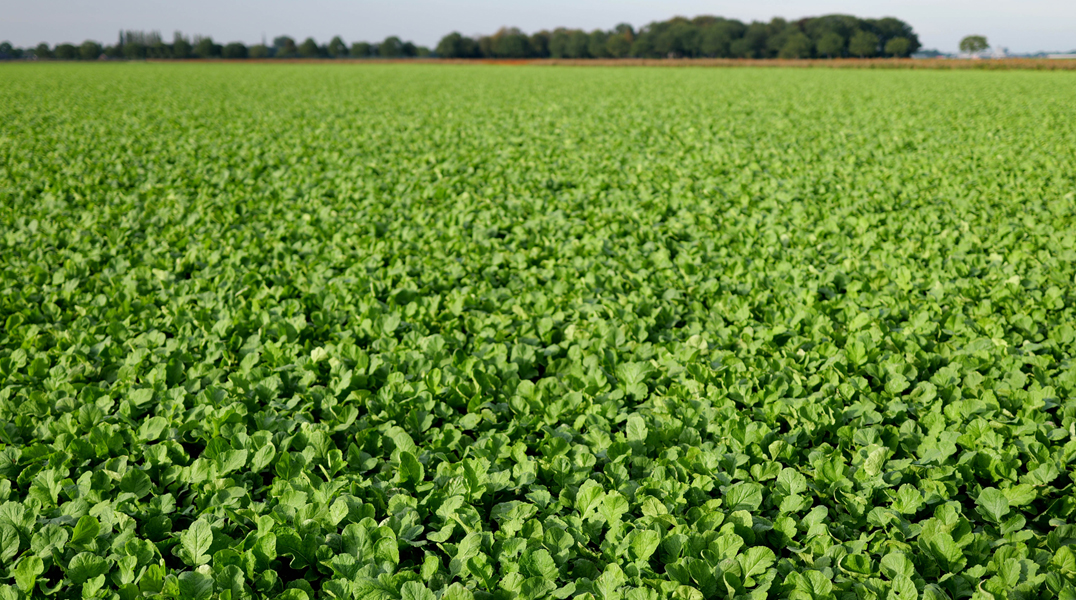
Plot covered with nematode-resistant White mustard during intercropping.
2. Extend and diversify crop rotations
Rotation management is the key to effective Nematode control. To break the nematode reproduction cycle, it is advisable to lengthen the interval between two susceptible crops by using non-host species. In addition, the choice of suitable Catch crops, including nematode resistant varieties, reinforces the effectiveness of the system. By combining these practices over several years, we can achieve a lasting reduction in nematode populations in the soil, and secure the return of a susceptible crop.
For example, against beet cyst nematodes: Heterodera schachtii. Prioritize a minimum 4-year rotation with non-host crops (barley, soft wheat, sorghum, corn, etc.), and the use of nematode-resistant varieties such as Ayacara forage radish.
However, care must be taken when positioning legumes, which can be hosts to certain nematodes.
3. Use tolerant or resistant varieties
For high-risk crops such as beet and Apple, choosing a tolerant variety is a Medium way of securing production. These varieties limit the impact of nematodes on yield, even when the parasite is present in the plot. The plant continues to develop well despite the attack.
Although some varieties can partially reduce nematode multiplication, the use of a tolerant or resistant variety alone is not enough to reduce nematode populations in the long term. It must be part of a global strategy combining rotation, adapted Catch crops and Plot monitoring.
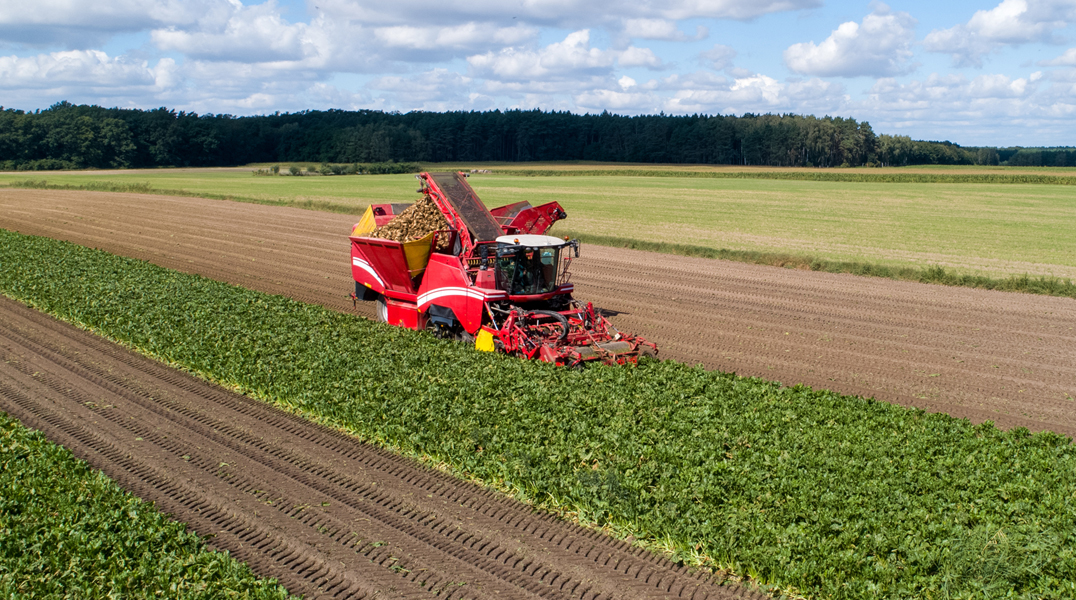
Sugar beets: tolerant varieties enable yields to be maintained on infested fields.
4. Promote biological life in the soil
A biologically active soil is a natural bulwark against many pests, and rich organic matter is a key factor! Organic matter stimulates the soil's biological life, with certain micro-organisms helping to naturally regulate nematode populations.
The soil's biological balance is maintained through farming practices such as regular inputs of organic matter, longer and more diversified rotations, and reduced tillage.
Once again, this lever alone will not solve the nematode problem, but it is an important link in a global, sustainable approach to the cropping system.
5. Monitor and diagnose fields early
Since nematodes are invisible to the naked eye, detecting them requires regular observation of the fields and the identification of heterogeneous areas or leaf symptoms. If in doubt, a visual examination of the roots can confirm the presence of galls or cysts. Finally, it is advisable to have samples analyzed by a laboratory to identify the genera or species present in the soil and the level of infestation.
The earlier the diagnosis, the more effective the measures taken will be. This identification is key to adapting agronomic practices, particularly the choice of the subsequent crop or the adjustment of crop rotations.
To learn more:
Nematode resistant cover crops: research is making progress!
Vandinter Semo: unique genetics in the field of nematode resistant crops