
Nematode-Resistant Cover Crops: Research Is Moving Forward!
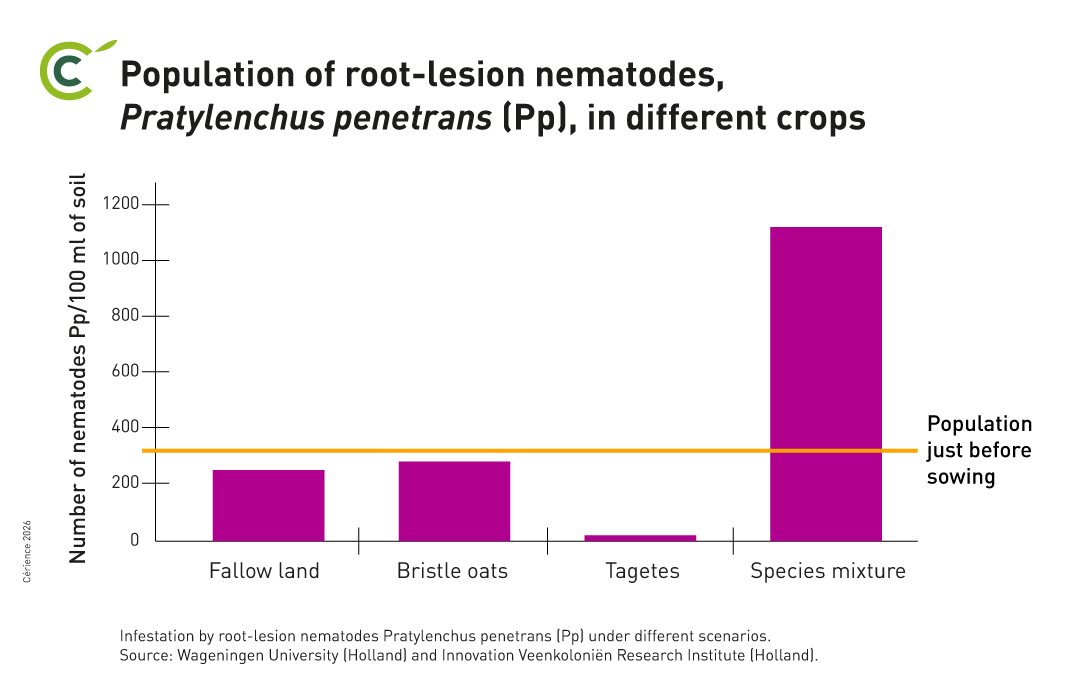
According to a recent study in the Netherlands, the wrong choice of cover crops can significantly increase the nematode population in a plot, especially when sowing early. These provisional results confirm the observations of previous studies and reinforce the research focus of our Dutch subsidiary, VandinterSemo.
A narrow crop rotation with host plants is the main cause of nematode problems. In addition, climate change is becoming an increasingly important factor, as milder winters, longer growing seasons, and higher soil temperatures can all contribute to greater nematode damage.
To limit the risks to the main crop, it's important to choose your cover crop carefully to prevent damage to crops such as potatoes or onions. A wide range of cover crops adapted to different types of nematodes are available. The www.best4soil.eu website can help you breed the best rotation plan between cover crops and main crops.
To get you started on a control strategy based on nematode type, here's a first approach to choosing the species to use during Catch crops.
Root-knot nematodes: Meloidogyne chitwoodi and Meloidogyne fallax
Root-knot nematodes are common on light soils and in intensive crop rotations. They penetrate roots and form galls, disrupting plant physiology. They cause quality losses in a variety of crops, including potatoes, carrots, onions and gladiolus.
What's more, they are regulated organisms for which export restrictions apply. This is a particular problem for crops destined for export, such as seed potatoes and bulbs. Financial losses can be significant in these situations.
Suitable cover crops: multi-resistant forage radish, with the CORDOBA, VALENCIA, AYACARA and TERRANOVA varieties particularly well suited.
Root-lesion nematodes: Pratylenchus penetrans
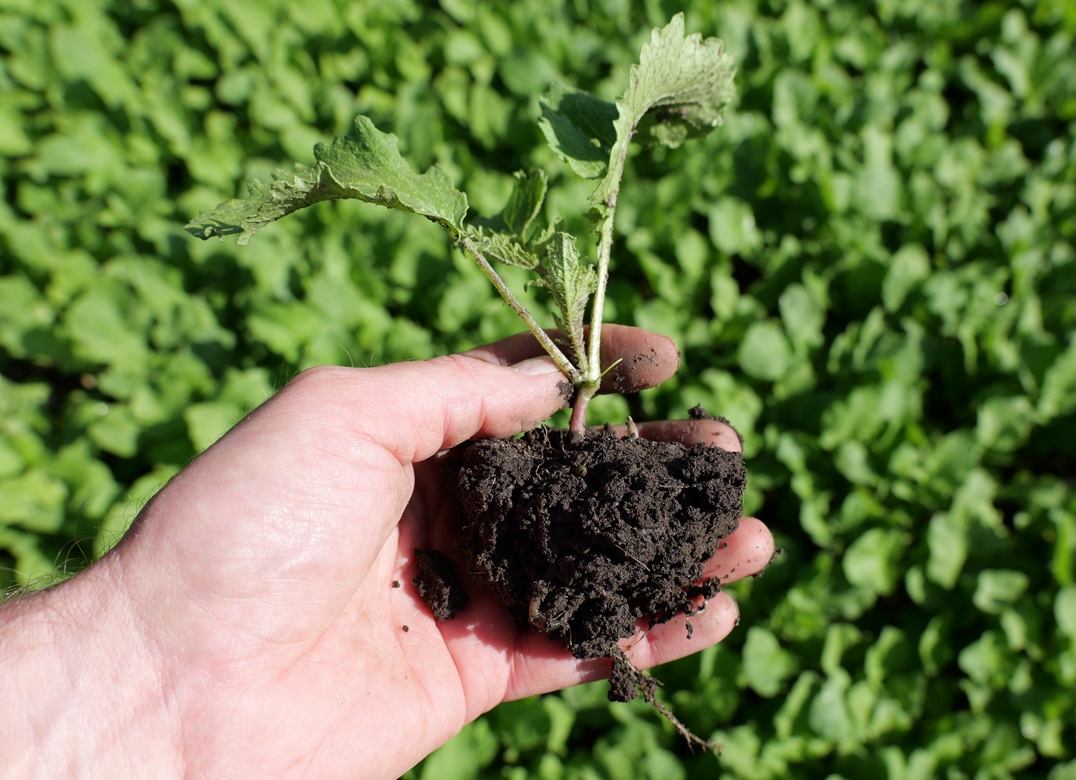
Root-lesion nematodes, particularly Pratylenchus penetrans, are a major problem on light soils (sands, hilly soils and light silts). They penetrate roots, feed on cell contents and cause brownish lesions (spots) on the plant. This attack reduces root mass and decreases water and nutrient uptake, leading to premature senescence. The plant becomes more susceptible to fungi such as Verticillium and Rhizoctonia, resulting in yield and quality losses. The crops most often affected are potatoes, carrots, onions and bulbs.
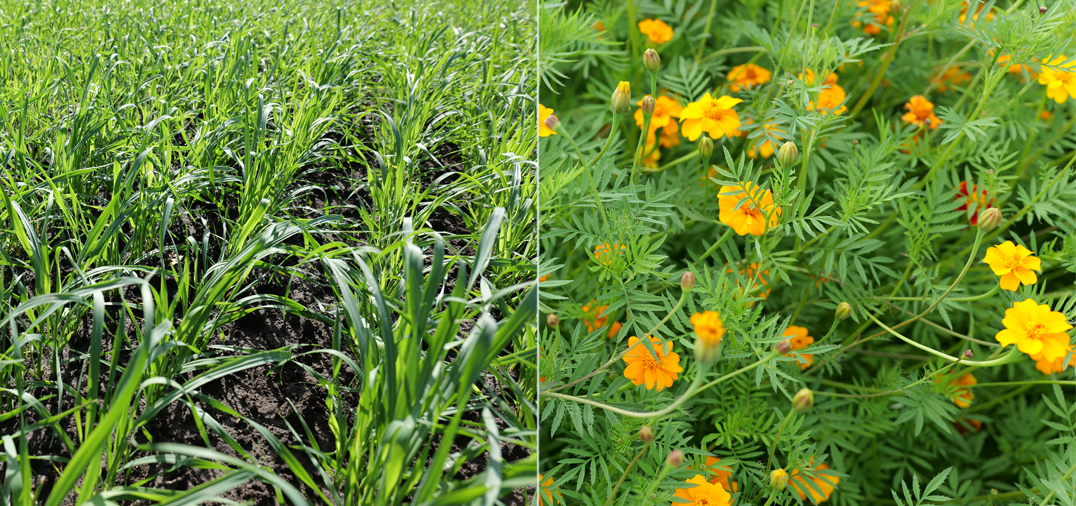
Suitable cover crops: tagetes and some bristle oat varieties such as OCEANE and EXITO.
Cyst nematodes : Heterodera schachtii
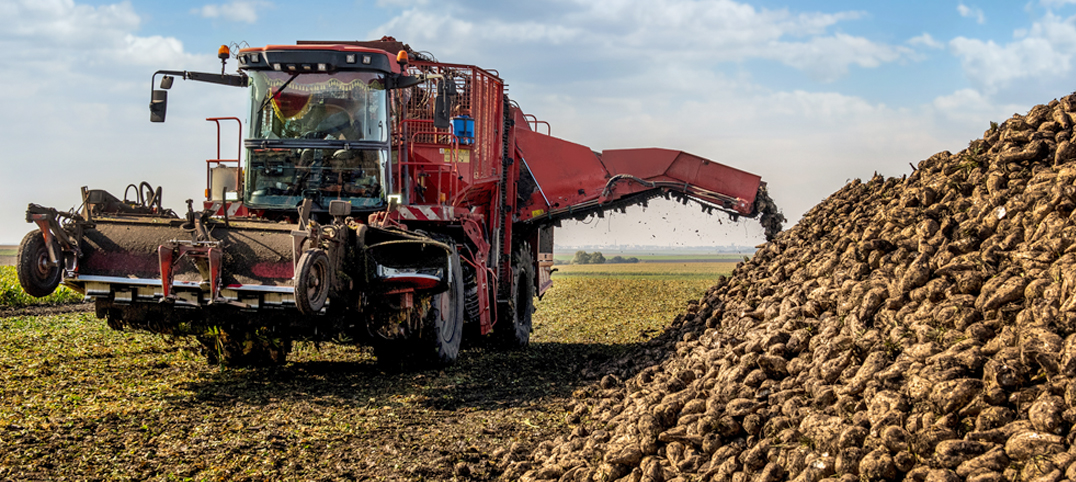
Beet cyst nematodes cause damage to sugar beet, oil seed rape and various vegetables. Plants show drooping leaves, stunted growth and a highly branched root system. Yield reduction depends on the level of infestation and environmental conditions. In dry summers, even low levels of infestation can cause visible losses. In case of heavy infestation, losses can reach up to 50% of yield. Resistant radishes or White mustard can considerably reduce the population, especially when sowing cover crops early.
Suitable cover crops: resistant radish varieties such as AYACARA, TERRANOVA, CORDOBA and VALENCIA, or resistant white mustard varieties ODETTE and IRIS.
More information: download the nematode guide.